

In a landmark move to transform Nigeria’s hospitality and tourism industry, the Federal Government has inaugurated the Governing Boards of the Hospitality and Tourism Sector Skills Council of Nigeria (HTSSCN). The initiative marks a decisive step toward standardizing workforce certifications, curbing unprofessional conduct, and positioning the sector as a globally competitive driver of economic growth.
The inauguration took place on Thursday, May 14, 2026, at Merit House in Maitama, Abuja, during a high-profile ceremony that combined the registration and induction of sectoral professionals, the conferment of fellowship honours, and the formal launch of the council’s Board of Trustees and Board of Directors. The event drew top government officials, regulators, private sector operators, development partners, and industry leaders.
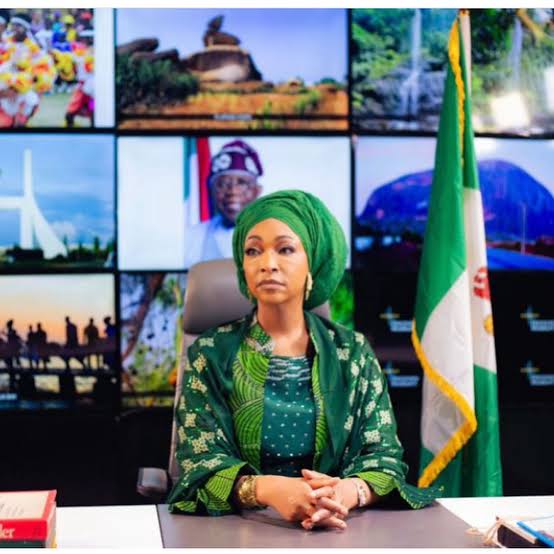
Presiding over the event, Minister of Art, Culture, Tourism, and the Creative Economy, Hannatu Musawa, described the council as a “transformational intervention” aimed at embedding professionalism, accountability, regulation, and international standards across the hospitality and tourism ecosystem.
“The tourism and hospitality industry remains one of the fastest-growing sectors globally, contributing significantly to employment generation, foreign exchange earnings, cultural diplomacy, and national development,” Musawa stated. “Nigeria possesses extraordinary cultural diversity, heritage assets, creative talent, and natural tourism destinations, but to unlock this immense potential, professionalism, accountability, standardisation, and competence must remain central to our national strategy.”
The Hospitality and Tourism Sector Skills Council of Nigeria, coordinated by the National Institute for Hospitality and Tourism (NIHOTOUR), functions as an employer-led platform. It bridges the gap between workforce competencies and industry needs by developing competency standards, enhancing curricula, establishing accreditation systems, generating labour market intelligence, and creating globally aligned professional certification frameworks.
Dr. Abisoye Fagade, Director-General and CEO of NIHOTOUR, called the occasion a “historic turning point” in the formalization of the sector.
“Today, we are laying the foundation for a more structured, respected, innovative, and globally competitive hospitality and tourism industry. Regulation and standardisation are no longer optional; they are economic necessities if Nigeria truly intends to compete globally,” he said.
Fagade emphasized NIHOTOUR’s expanded mandate under the NIHOTOUR Establishment Act, shifting the institute from a primarily training-focused body to a comprehensive regulatory, certification, and standards authority. The reforms align with President Bola Tinubu’s Renewed Hope Agenda, which prioritizes workforce development and economic diversification.
Nkereuwem Onung, former President of the Federation of Tourism Associations of Nigeria (FTAN) and Chairman of the Board of Trustees of the HTSSCN, has stressed the urgency of closing the sector’s skills gap to meet international benchmarks.
The council’s efforts target persistent challenges such as inconsistent service quality, inadequate training alignment with industry demands, and practices that undermine investor confidence and visitor experience. By introducing mandatory, competency-based certifications under the National Skills Qualification Framework, the initiative seeks to professionalize roles across hotels, restaurants, tour operations, travel agencies, and related services.
Stakeholders offered strong endorsements. President of the Nigerian Bar Association, Mazi Afam Osigwe, highlighted that “effective regulation remains the only sustainable pathway for scaling the industry,” noting that globally respected sectors rely on enforceable standards, licensing, and accountability.
Directors-General from sister agencies, including the Nigerian Tourism Development Authority (NTDA) and the National Institute for Cultural Orientation, also pledged collaboration, underscoring the interconnectedness of culture, creativity, and tourism.
Fellowship honours were conferred on distinguished contributors, including Minister Hannatu Musawa and Dr. Abisoye Fagade, alongside the induction of numerous professionals across fellowship, senior membership, and membership categories.
Industry observers view this development as a critical foundation for Nigeria’s tourism ambitions. With vast but underutilized potential in heritage sites, eco-tourism, and cultural experiences, standardized skills and certifications are expected to improve service delivery, attract foreign investment, boost foreign exchange earnings, and generate sustainable employment—particularly for youth and women.
The Hospitality and Tourism Sector Skills Council’s work is now underway, with expectations of phased implementation of certification standards, training partnerships, and compliance mechanisms in the coming months. As Nigeria pushes to diversify its economy beyond oil, this initiative signals a maturing institutional framework designed to turn tourism into a high-value, professional, and globally respected industry.