

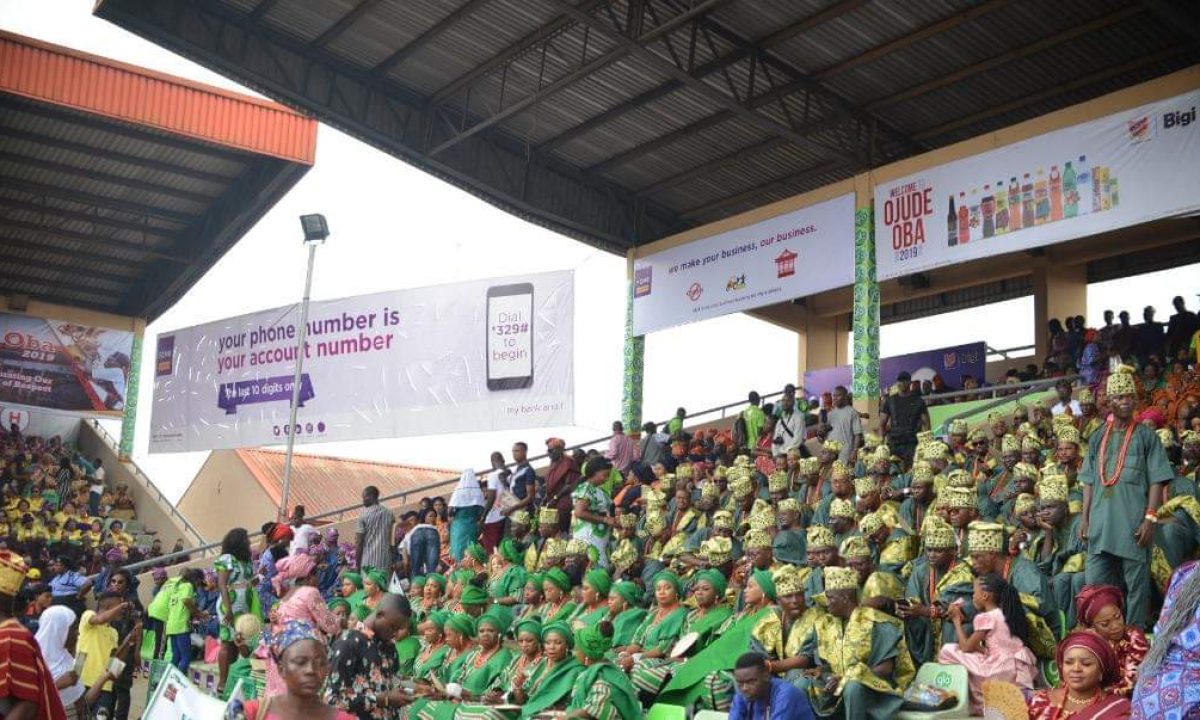
Financial institutions are increasingly positioning Nigeria’s rich cultural heritage as a cornerstone of economic growth, with First City Monument Bank (FCMB) leading aggressive investments in major festivals. The bank is doubling down on its long-standing support for the Ojude Oba Festival, projecting the annual Ijebu-Ode celebration as a premier global cultural spectacle and a significant driver of tourism revenue.
The Ojude Oba Festival, translating to “the King’s Forecourt,” is an ancient Yoruba tradition dating back over two centuries in Ijebu-Ode, Ogun State. Originally a modest gathering of Muslim faithful to thank the Awujale (the traditional ruler of Ijebuland) for religious tolerance, it has evolved into one of Nigeria’s most vibrant and glamorous cultural events. Held annually on the third day after Eid al-Kabir (Ileya), the festival draws hundreds of thousands of participants — estimates suggest up to one million including diaspora visitors — who parade in elaborate regalia through age-grade groups known as regberegbe.
Attendees showcase opulent traditional attire, equestrian displays, drumming, dancing, and tributes to the Awujale, blending spiritual homage, fashion, and community pride. The event has gained international acclaim, with coverage from outlets like BBC and CNN highlighting its visual splendor and role in preserving Yoruba heritage.
FCMB has sponsored the festival for over two decades, viewing it as more than a cultural event. The bank describes it as a “vital cultural asset” that builds trust, reinforces shared identity, and drives trade, investment, and tourism. In recent statements, FCMB reaffirmed its commitment, emphasizing the festival’s potential to stimulate local economies through hospitality, crafts, transportation, and small businesses.
Corporate sponsorships, including from FCMB and others like Globacom, inject substantial funds — often in the tens to hundreds of millions of naira — into logistics, security, and global promotion. This support has amplified the festival’s visibility, attracting tourists and investors while creating direct income for host families and vendors. Local economies benefit significantly, with reports of families earning substantial sums from short-term accommodations and related services.
Stakeholders project Ojude Oba as a flagship for Nigeria’s cultural tourism strategy. It boosts sectors like hospitality, arts and crafts, and creative industries while serving as a platform for cultural diplomacy. Organizers and partners see it as an engine for economic growth, encouraging diaspora return and investment in Nigeria’s broader “experience economy.”
The 2026 edition, anticipated around late May following Eid al-Kabir, is being positioned as a “Global Homecoming,” building on the festival’s resilience despite recent transitions in traditional leadership. Preparations include enhanced infrastructure and international outreach to solidify its status among the world’s premier cultural events.
As Nigeria seeks to diversify beyond oil, initiatives like FCMB’s underscore a growing recognition: cultural festivals are not just celebrations — they are strategic economic platforms. With continued institutional backing, Ojude Oba is poised to elevate Nigeria’s global cultural profile while delivering tangible benefits to local communities.
This partnership between finance and heritage exemplifies a model for sustainable tourism development across the country.