

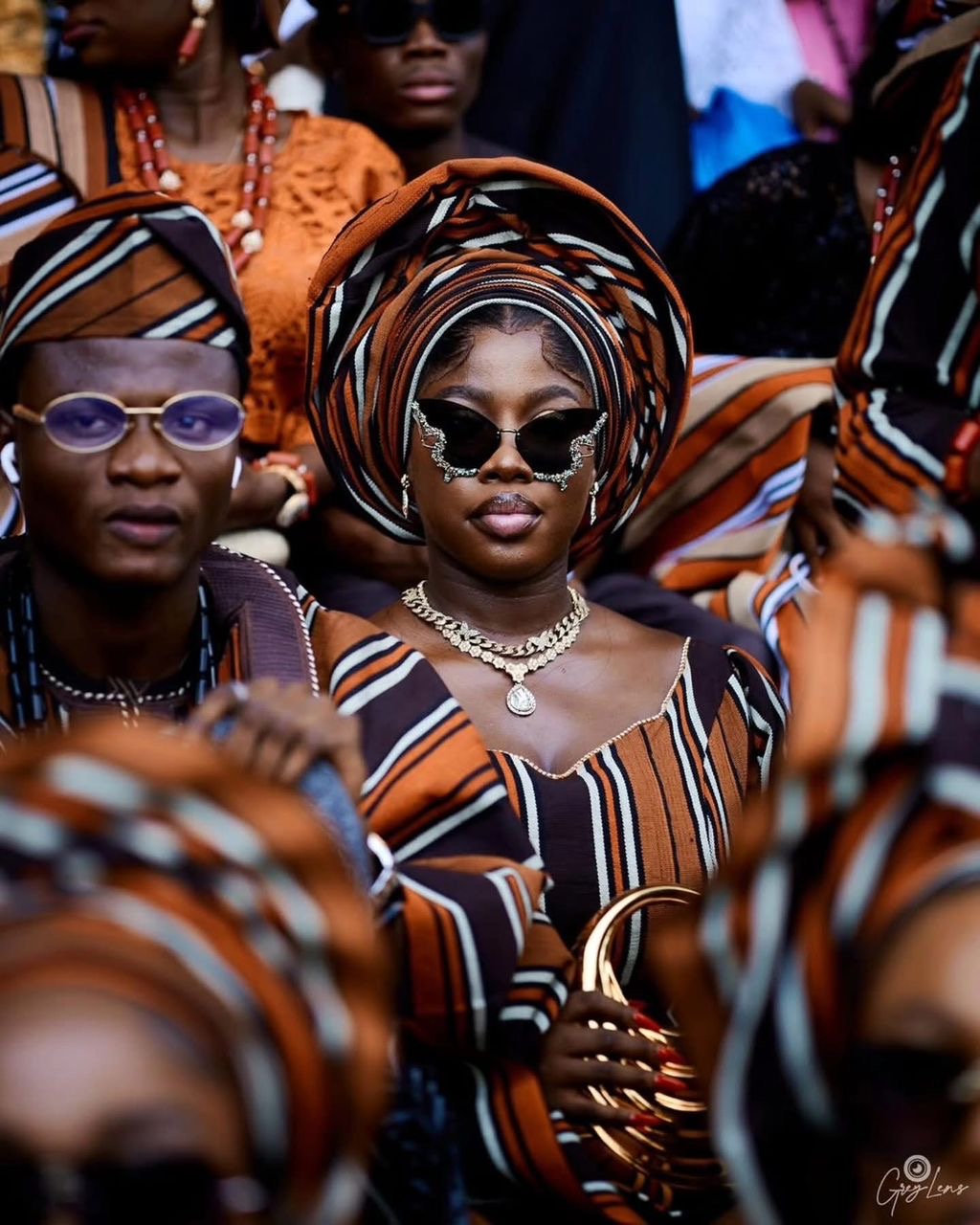
At the Federal University of Agriculture, Abẹ́òkúta (FUNAAB), culture met youthful energy as OJÚDE FUNAAB 2.0 unfolded in a colourful display of tradition, identity, and celebration. The student-led gathering turned the campus into a lively cultural arena where heritage was expressed through fashion, music, and community pride.

Inspired by the historic Ojúde Ọba Festival, one of the most respected cultural celebrations in Ijebu land, OJÚDE FUNAAB reflects the same spirit of unity and cultural pride. The event forms part of the Final Year Bachelor Week, a period when graduating students celebrate the end of their academic journey while honouring the traditions that shape their identity.

Dressed in rich traditional attire, students appeared in coordinated groups, presenting a striking blend of elegance and cultural storytelling. Flowing agbada, finely woven aso-oke, classic iro and buba, and carefully styled headpieces filled the campus with colour and presence. Each outfit carried its own cultural statement, showing that traditional fashion remains a powerful language of identity.

Beyond the visual appeal, the event featured music, parades, and cultural performances that echoed the festive rhythm of Ojúde Ọba itself. Pride, celebration, and a strong sense of belonging defined the atmosphere.

What stands out in recent years is the growing cultural awareness among Gen Z students. Across universities and urban communities, younger Nigerians are rediscovering traditional festivals, clothing, language, and customs. Rather than seeing culture as something distant or old-fashioned, many now wear it proudly and reinterpret it in ways that speak to their generation.

Events such as OJÚDE FUNAAB show how culture continues to evolve through youth participation. Social media, campus communities, and creative expression have helped amplify these traditions, turning them into powerful cultural moments that travel beyond the campus and into the wider national conversation.
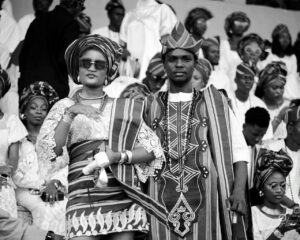
For the tourism and hospitality sector, gatherings like this reveal an important shift. Cultural celebrations are no longer confined to historic town squares or royal courtyards. They are now appearing in universities, creative spaces, and youth communities, expanding the cultural landscape and strengthening the connection between heritage and modern identity.

In many ways, OJÚDE FUNAAB represents more than a campus festival. It is heritage in motion, shaped by a new generation that understands that culture is not only something to remember, but something to live.