
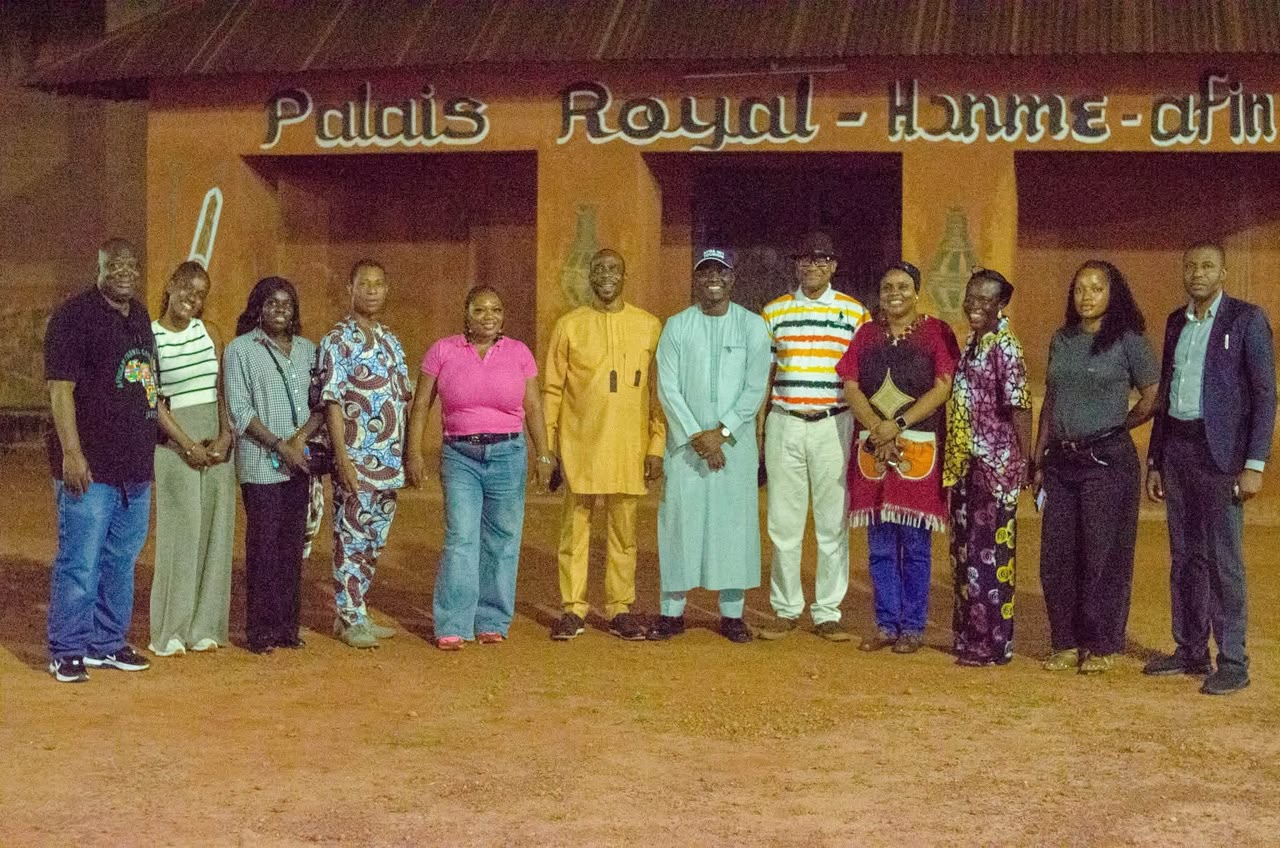
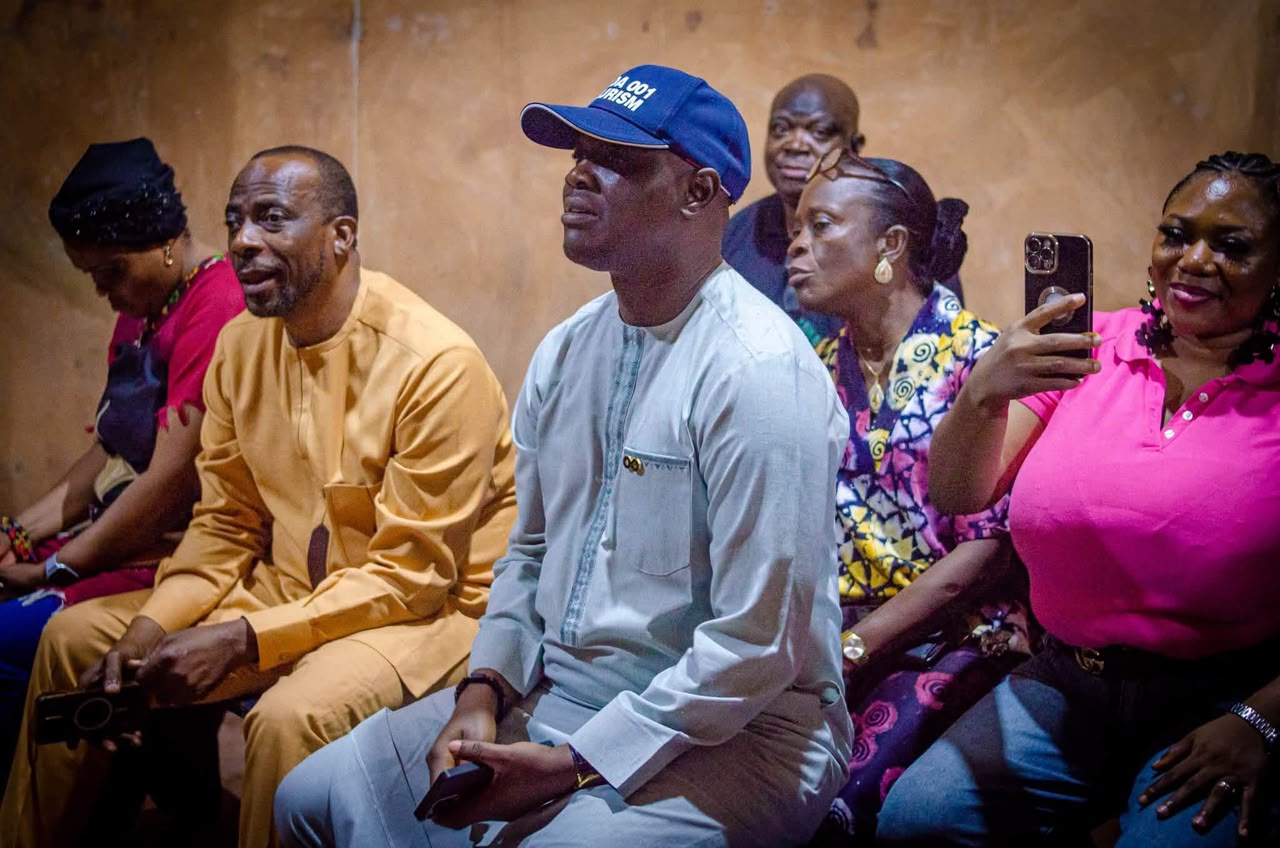
The Chairman of the African Travel Commission (ATC) and Director-General of the Nigerian Tourism Development Authority (NTDA), Dr. Ola Awakan, has led a high-level delegation on a three-day tour of major tourism, cultural and heritage sites across the Republic of Benin.
Awakan was accompanied by ATC Co-Chairman, Mr. Dine Bouraima, Board Member, Mrs. Susan Akporiaye, and Executive Director, Dr. Lucky Onoriode George.
The tour forms part of wider efforts to deepen intra-African tourism cooperation, strengthen cultural connections across West Africa and encourage greater appreciation of the continent’s heritage assets.
Awakan’s leadership of the ATC comes at a significant period for continental tourism cooperation. He was appointed Chairman of the African Travel Commission in February 2026, with the commission positioning itself as a platform for promoting intra-African travel, strengthening partnerships and advancing Africa as a unified tourism destination.
The Benin Republic tour provided the delegation with an opportunity to examine how heritage, traditional institutions, sustainable agriculture, entrepreneurship and cultural tourism can be integrated into destination development.
Songhai Centre: Where Agriculture Meets Tourism and Innovation
The delegation’s first stop was the renowned Songhai Centre in Porto-Novo, one of Benin Republic’s most recognised examples of integrated agricultural development and African entrepreneurship.
Established in Porto-Novo in October 1985 by Nigerian-born Dominican priest and scientist, Father Godfrey Nzamujo, the Songhai Centre has developed into a major African centre for agroecology, training, production, research, entrepreneurship and innovation. The centre describes its model as an integrated ecological system linking agriculture, livestock, fish farming, food processing, renewable energy and commerce.
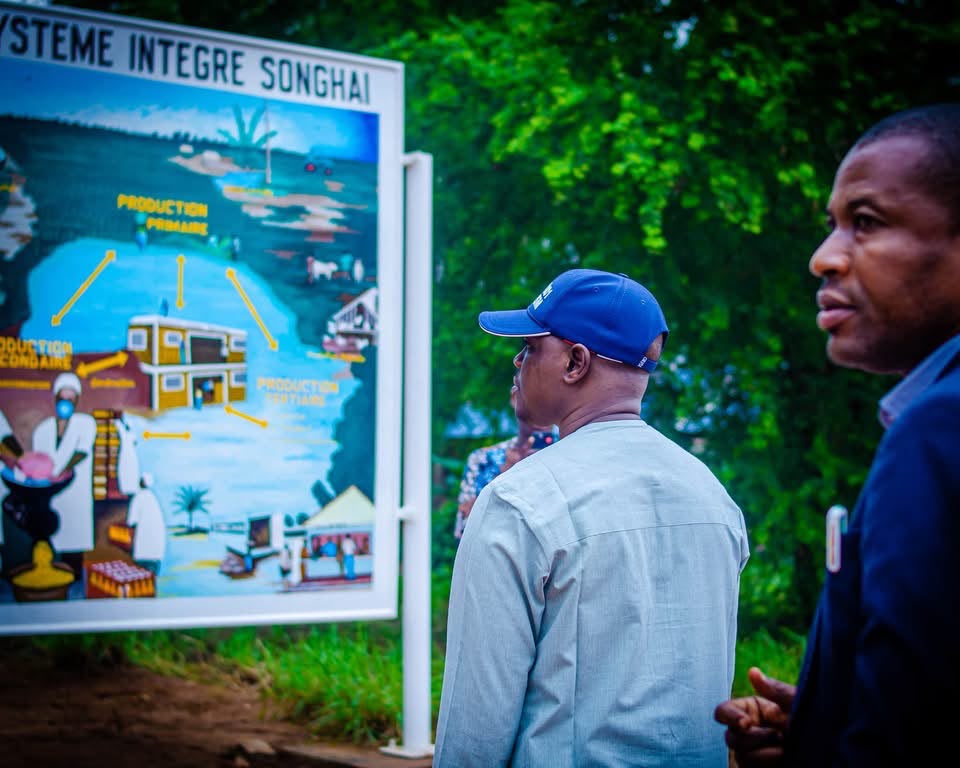 Spread across more than 22 hectares, the centre demonstrates how different productive activities can be connected within a circular economy. Waste generated in one area can become an input for another, reducing waste while increasing the value obtained from available resources.
The model offers an important lesson for tourism development. Agricultural destinations can serve simultaneously as learning centres, enterprise hubs, cultural attractions and tourism experiences. Visitors can gain practical exposure to food production, environmental sustainability, local enterprise and African approaches to resource management.
For tourism planners across the continent, Songhai represents the possibility of developing attractions around productive economic activities rather than relying exclusively on conventional monuments and leisure facilities.
Zangbeto Shrine: Encounter with a Living Cultural Institution
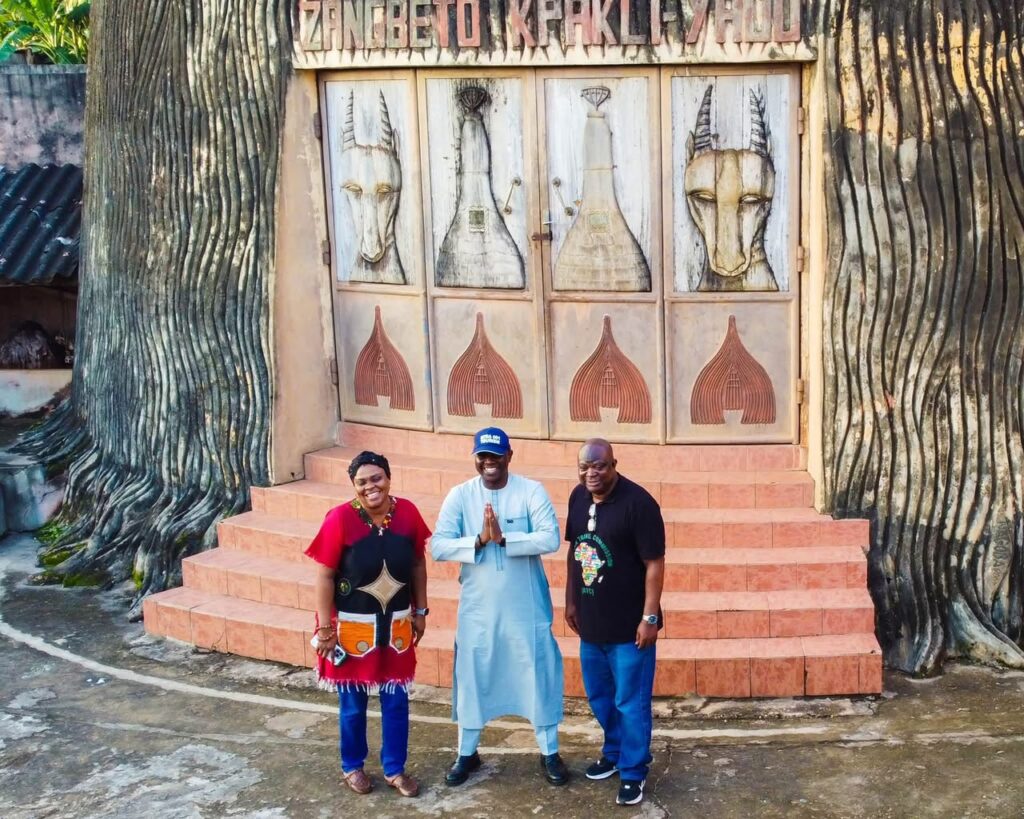
The delegation subsequently visited the Zangbeto Shrine in Porto-Novo, a site associated with one of the enduring traditional institutions of the Ogu people and the wider cultural heritage of the Benin Republic.
Zangbeto traditions are associated with the guardians of the night and historically carried social functions connected with community protection, order and traditional authority. The institution remains an important expression of the region’s indigenous heritage.
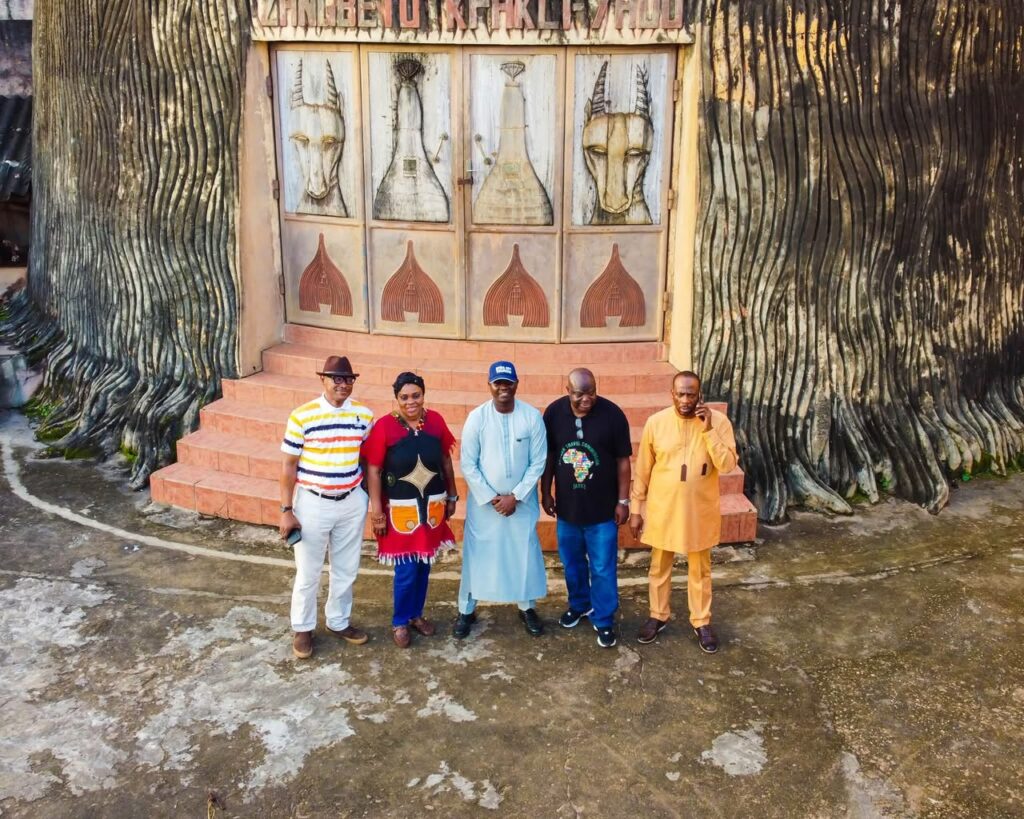 Porto-Novo’s contemporary monumental Zangbeto structure dates to 2007, when new monumental buildings associated with Vodun traditions were developed as part of efforts to strengthen the city’s tourism attractions. The national headquarters of the Zangbeto was designed in a distinctive form inspired by the traditional raffia-covered figure associated with the institution.
The visit offered the delegation an opportunity to engage with a form of cultural heritage that exists beyond museum displays. The Zangbeto tradition illustrates how living cultural practices, traditional institutions, architecture and indigenous belief systems can become part of a destination’s tourism identity when presented with appropriate cultural context and respect.
For West Africa, where many communities retain centuries-old cultural institutions, such sites present significant opportunities for heritage tourism, cultural education and international visitor experiences.
Palais Royal Honmé: Preserving Porto-Novo’s Royal Heritage
The final stop on the first day was the Palais Royal Honmé, the former royal palace of Porto-Novo, now preserved as the Musée Honmè.
The historic palace is closely associated with the traditional monarchy of Porto-Novo and was home to several of the city’s kings. Among the best known was King Toffa, who reigned from 1874 to 1908.
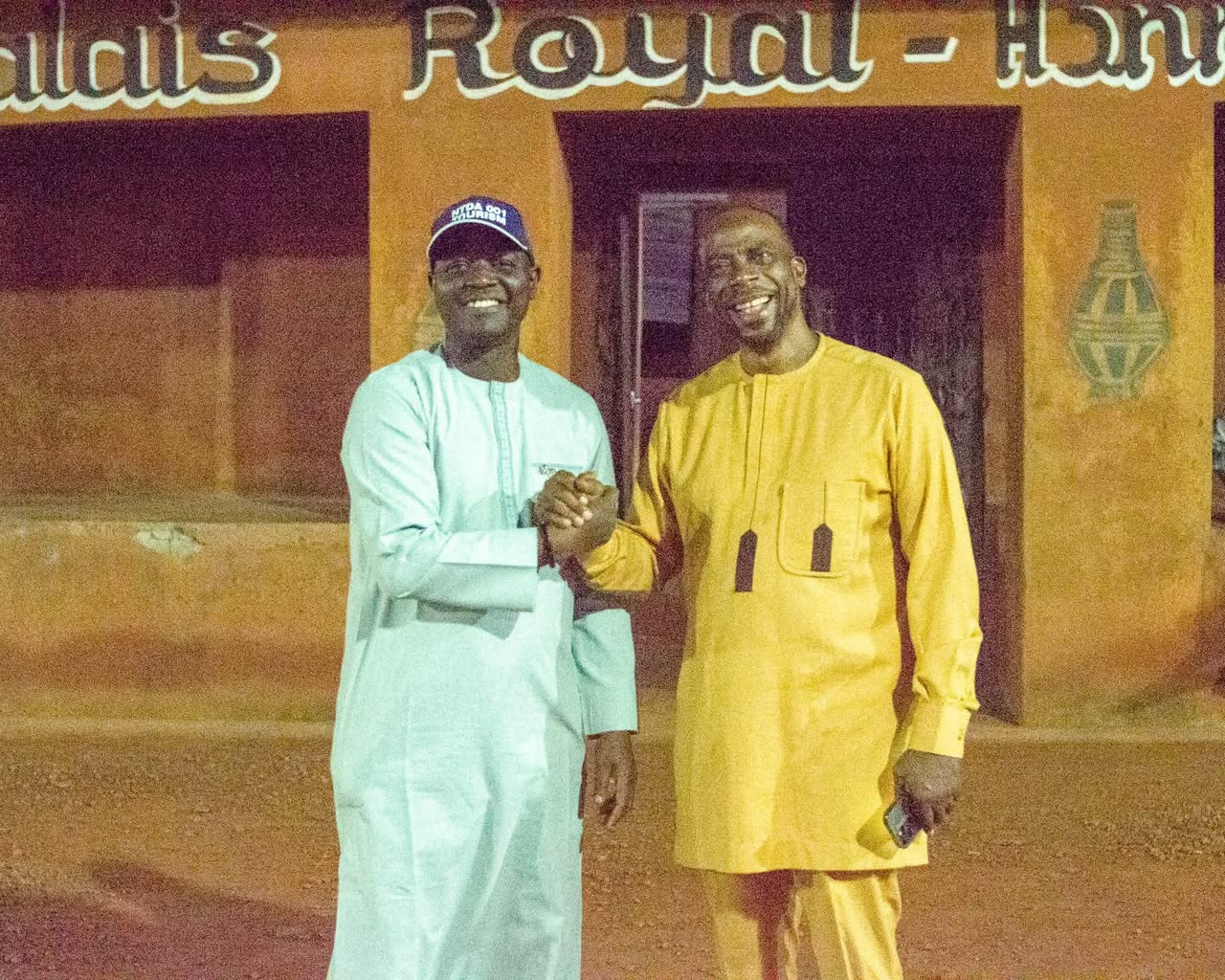 Today, the former palace serves as a museum where visitors can encounter aspects of the royal family’s history and material culture. Exhibits include royal objects, musical instruments, ritual and ceremonial pottery, photographs, sculptures and furniture.
The palace underwent restoration after being abandoned in 1976 and was opened to the public as a museum in 1988.
Its significance extends beyond its architectural value. The site provides a physical connection to Porto-Novo’s political history, royal traditions, religious practices and social organisation.
The palace and the surrounding historic districts of Porto-Novo have also attracted international heritage attention, with the Royal Palace included on UNESCO’s Tentative List as part of the historic city of Porto-Novo.
A West African Tourism Conversation Beyond Borders
The three sites visited on the first day presented three different dimensions of tourism development.
Songhai demonstrated the relationship between sustainability, agriculture, entrepreneurship and innovation. The Zangbeto Shrine represented living indigenous heritage and traditional cultural institutions. The Palais Royal Honmé illustrated the role of museums, royal heritage and historic architecture in preserving and interpreting the past.
 Together, they provide a useful picture of how destinations can build tourism economies around the full breadth of their identity.
The tour also carries significance for Nigeria and Benin Republic because of the deep historical, cultural and commercial connections that exist across their shared border. Porto-Novo’s history, in particular, contains strong links with Yoruba cultural traditions and the wider historical movements that shaped communities across present-day southwestern Nigeria and southern Benin.
For the African Travel Commission, such cross-border engagement reinforces the argument for stronger intra-African tourism routes that allow visitors to experience connected histories across national boundaries.
 Rather than viewing national borders as the end points of tourism experiences, West African destinations can develop interconnected cultural circuits linking cities, royal institutions, museums, festivals, traditional communities, food traditions and historical sites.
The participation of senior tourism stakeholders from Nigeria in the Benin Republic tour therefore carries significance beyond the individual destinations visited. It points towards a broader conversation about how African countries can work together to make regional travel easier, strengthen destination promotion and convert Africa’s cultural assets into sustainable economic opportunities.
The three-day tour is expected to further strengthen the ATC’s engagement with tourism stakeholders and destinations across the continent as the commission advances its mandate of promoting African travel and deeper tourism cooperation.