

Introduction
Before Lagos became Nigeria’s commercial capital and one of Africa’s most energetic cities, there was Eko. The name Eko holds the deeper story of the land, the lagoon, and the people who built the earliest communities that later grew into modern Lagos.
Today Lagos is known for commerce, music, fashion, technology, and a relentless urban rhythm. Yet beneath the bridges, towers, and highways lies a historical identity rooted in migration, indigenous governance, maritime trade, and cultural tradition. To understand Lagos properly, one must begin with Eko.
Eko is not simply an old name for Lagos. It is the original cultural foundation of the city.
The Early Origin of Eko
The story of Eko begins with the Awori people, a subgroup of the Yoruba ethnic nation. According to long preserved oral history, the Awori migrated from Ile-Ife, the spiritual centre of Yoruba civilization. Their migration was led by a prince known as Olofin Ogunfunminire, who left Ile-Ife with followers in search of new land along the southern waterways.
Tradition explains that Olofin carried a sacred ritual plate given by Oduduwa. He was instructed to travel along the water until the plate sank. Wherever it sank would be the place destined for settlement. When the plate eventually sank in the lagoon region, the migrants believed they had reached their promised land.
From that moment the people became known as Awori, derived from the expression “Awo ti ri”, meaning “the sacrificial plate has sunk.”
The earliest Awori settlements appeared in areas such as:
• Isheri
• Iddo
• Ebute Metta
• Otta
• Otto Awori
• Ijora
• Apapa
These settlements formed the earliest indigenous territory around the lagoon that would later grow into Lagos.
Fishing, farming, and lagoon trade were the earliest economic activities that sustained these communities.
How the Name Eko Emerged
The original Awori settlers referred to the land as Oko or Ereko, a term associated with farmland and cultivated territory.
However, the name Eko became widely used during the period when the Benin Kingdom extended political influence over the region several centuries later. Historical accounts indicate that the Benin Empire established administrative authority over the island and referred to the settlement as Eko, meaning a war camp or military post.
During this period, a Benin prince named Ado became the first Oba of Lagos, establishing the royal institution that continues to exist today.
When Portuguese traders arrived in the fifteenth century, they named the settlement Lagos, after a coastal town in Portugal. Over time the colonial name Lagos became the international name of the city, but the indigenous population continued to call it Eko, a name still widely used today by Yoruba speakers and Lagos natives.
The People of Eko
The identity of Eko was shaped by several groups whose interactions created the cultural mixture that defines Lagos today.
The Awori
The Awori remain recognized as the earliest indigenous settlers of Lagos and its surrounding territories. Their settlements extended across the lagoon environment and inland farming communities.
Their traditional occupations included fishing, agriculture, and trade along waterways.
Many of the earliest landholding families in Lagos trace their ancestry to these Awori settlers.
Benin Royal Influence
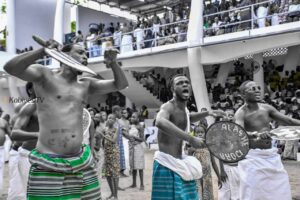
The arrival of Benin political authority introduced a centralized kingship system under the Oba of Lagos. This created a royal institution that combined Benin influence with existing Awori structures.
The Oba became the central authority responsible for governance, diplomacy, and land administration.
The royal palace, Iga Idunganran, located in Isale Eko, remains the traditional seat of Lagos monarchy.
Later Migrant Communities
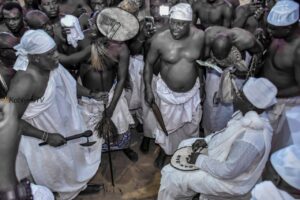
Over time Eko became a coastal trading hub that attracted migrants from across West Africa and beyond. These included:
• Ijebu traders
• Eguns from Badagry
• Saros from Sierra Leone
• Brazilians and Afro-Brazilian returnees
• Other Yoruba groups
These communities contributed architecture, religion, commerce, and cultural traditions that expanded the identity of Eko into a cosmopolitan city.
This mixture of indigenous heritage and migration explains why Lagos became one of the most culturally diverse cities in Africa.
The Culture of Eko
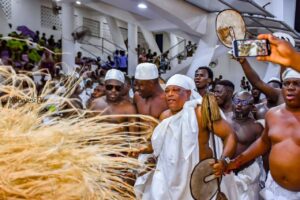
Culture in Eko developed through a close relationship between land, water, and community life.
Language
The indigenous dialect spoken by the original inhabitants is Awori Yoruba. Over centuries Lagos also became a multilingual city due to trade and migration.
Today Yoruba remains the dominant cultural language of Lagos.
Religion and Spiritual Life
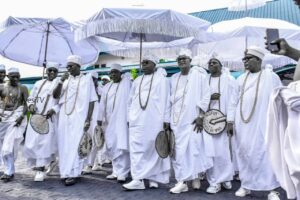
Before the spread of Christianity and Islam, the people of Eko practiced the Yoruba traditional religious system built around Orisha worship.
Important deities included:
• Ogun, the deity of iron and war
• Sango, the deity of thunder
• Yemoja, the mother of waters
• Esu, the divine messenger
Traditional religion influenced governance, justice, and social ceremonies.
Economic Life
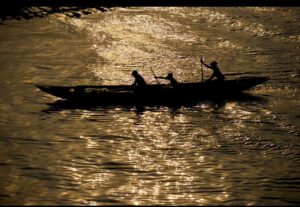
The lagoon shaped the economy of early Eko.
Fishing communities operated along the creeks and lagoon shores, while farmers cultivated pepper and crops on the island and surrounding mainland.
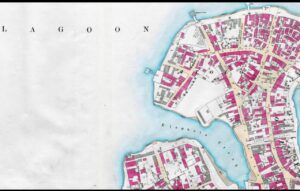
One of the earliest farms on Lagos Island belonged to Aromire, a son of Olofin Ogunfunminire. Historical tradition places his pepper farm near the location where the Oba’s palace now stands.
Trade across the lagoon eventually connected Eko to wider West African markets.
Traditional Institutions of Eko
The social structure of Eko relied on systems of leadership and land administration.
The Oba of Lagos
The Oba remains the spiritual and cultural custodian of Lagos tradition. His authority historically governed political decisions, diplomacy, and cultural rites.
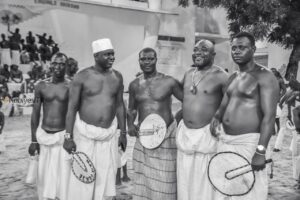
The Idejo Chiefs
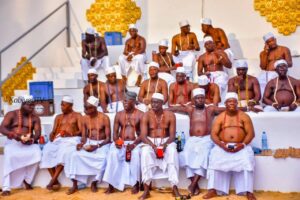
The Idejo chiefs are traditional landholding families recognized as original owners of land in Lagos. They historically managed land distribution and community governance.
Their titles remain influential in Lagos traditional administration.
Festivals and Cultural Celebrations
Cultural festivals remain one of the strongest expressions of Eko identity.
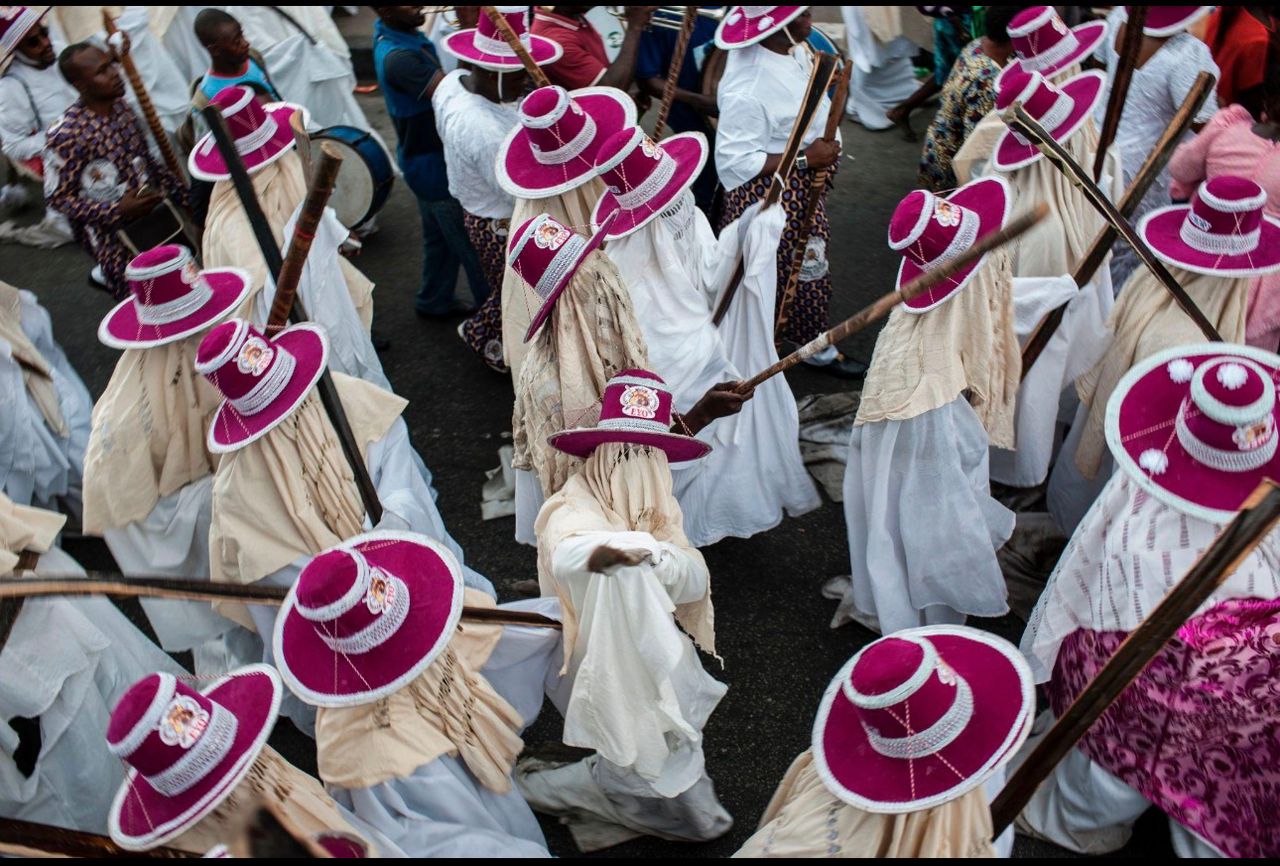
Among the most notable is the Eyo Festival, a ceremonial procession of white robed masquerades that honour departed kings and important historical figures.
Other cultural traditions include the Lagos Boat Regatta, which celebrates the maritime heritage of the city.
These festivals reinforce the historical connection between Lagosians and the lagoon environment that shaped their ancestors.
The Identity of Eko
Three key ideas define the identity of Eko and explain how Lagos developed its unique character.
A Lagoon Civilization
Eko was built around water. Fishing, canoe transport, and maritime trade defined early economic life and shaped settlement patterns.
A Meeting Point of Cultures
From early trade to colonial contact, Eko attracted migrants, traders, and returnees from many regions. This cultural blending created the cosmopolitan character Lagos is known for today.
A Strong Indigenous Heritage
Despite rapid modernization, the traditional institutions of Isale Eko, the Oba of Lagos, and the Idejo chiefs continue to preserve the indigenous identity of the city.
Even today many Lagos natives proudly identify themselves as Omo Eko.
Conclusion
Modern Lagos is often described as a city of energy, ambition, and constant movement. Yet behind the skyscrapers and highways lies a much older story.
Eko began as a network of Awori settlements along a lagoon where fishermen, farmers, and traders built small communities that gradually expanded through migration and commerce.
The influence of Benin political authority, the arrival of international traders, and the resilience of indigenous traditions transformed those settlements into a city that would later become Lagos.
Eko therefore represents the historical soul of Lagos. It is the identity that gave the city its foundation, its culture, and its enduring spirit.
Understanding Lagos begins with understanding Eko.