
The National Institute for Hospitality and Tourism (NIHOTOUR) has taken a significant step toward enhancing Nigeria’s hospitality and tourism sector with the inauguration of the Hospitality, Travel and Tourism Ecosystem Facilitators Committee.
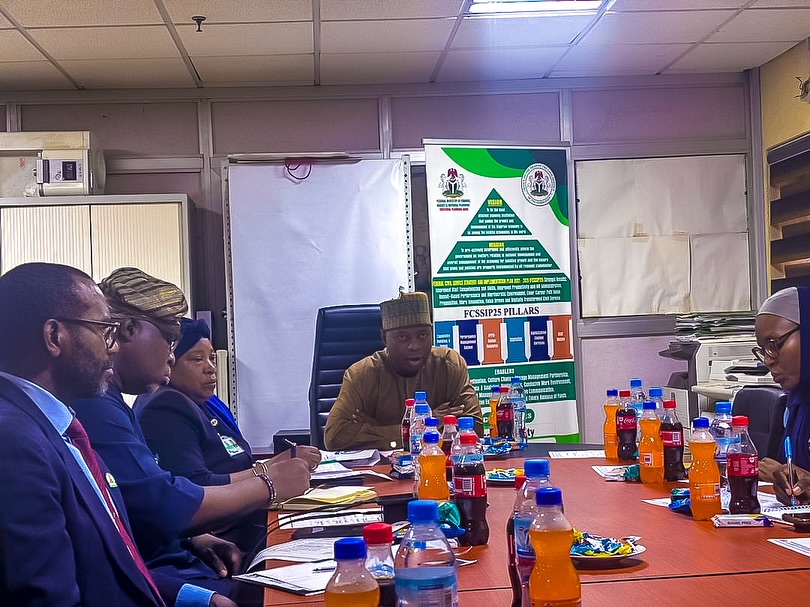
The inaugural meeting took place on Tuesday, May 19, 2026, at the Ministry of Budget and Economic Planning in Abuja. It convened key stakeholders, including representatives from NIHOTOUR, the Ministry of Budget and Economic Planning, the National Bureau of Statistics (NBS), ABC Consultant, and inaugural members of the committee.
The gathering focused on fostering deeper institutional collaboration and establishing a robust, coordinated framework to drive the growth of Nigeria’s hospitality, travel, and tourism ecosystem. Discussions highlighted critical priorities such as data-driven planning, enhanced institutional partnerships, innovative funding mechanisms, the implementation of Tourism Satellite Accounting (TSA), and improved sectoral coordination across public and private stakeholders.
NIHOTOUR’s Director-General/CEO, Aare Dr. Abisoye Fagade, reaffirmed the institute’s commitment to building a globally competitive, intelligence-driven, and economically viable tourism sector. Under his leadership, NIHOTOUR aims to position the industry as a major contributor to national economic growth and sustainable development.
“NIHOTOUR remains dedicated to supporting a tourism sector that is not only competitive on the global stage but also deeply rooted in data, collaboration, and innovation,” sources close to the meeting indicated, reflecting the Director-General’s vision.
The formation of the Ecosystem Facilitators Committee aligns with broader federal efforts to strengthen Nigeria’s tourism industry. As the apex regulatory and training body for hospitality, travel, and tourism—established through a 1987 tripartite agreement between the Federal Government, UNDP, and ILO, and empowered by the NIHOTOUR Act of 2022—the institute plays a pivotal role in professional standards, capacity building, and sector regulation.

This initiative is expected to improve data collection and analysis for evidence-based policymaking, unlock new funding streams, and ensure more effective integration between government agencies, private operators, and development partners. Tourism Satellite Accounting, in particular, will provide accurate measurements of the sector’s direct and indirect contributions to GDP, employment, and foreign exchange earnings.
The committee’s work comes at a time when Nigeria is seeking to revitalize its tourism potential following policy reviews and increased budgetary attention to the sector, with NIHOTOUR receiving substantial allocations to drive training and regulatory excellence.
Industry observers view the inauguration as a proactive move that signals stronger public-private synergy and a renewed focus on making Nigeria’s hospitality and tourism industry a cornerstone of economic diversification and sustainable development. Further details on the committee’s membership, workplan, and timelines are expected to be released in the coming weeks.